The Ultimate Guide: Silk Sheets Vs Satin Sheets For Better Sleep
Picking out new bedding, especially something soft and luxurious, feels like a real treat. There's a certain joy, perhaps, in imagining yourself sinking into a cloud of comfort each night. But when you start looking into those wonderfully smooth options, you might find yourself facing a common question: what's the real story with silk sheets vs satin sheets? It's a choice many people ponder, trying to figure out which one offers the best experience for their sleeping haven.
For a lot of us, the idea of silk sheets just sounds incredibly fancy and cool. We picture smooth surfaces that feel amazing against the skin, and maybe even help with our hair. Yet, there's also satin, which often looks quite similar and comes with a much friendlier price tag, too. This can make the decision a bit confusing, honestly.
So, we're going to break down everything you need to know about silk sheets vs satin sheets. We'll explore what makes each one unique, how they feel, what they cost, and which might be the better choice for your specific needs. It's about finding that perfect fit for your sleep, after all, and that's a pretty big deal.
Table of Contents
- What is Silk, Really?
- What About Satin? It's Different!
- The Big Showdown: Silk Sheets vs Satin Sheets
- How to Choose Your Perfect Sheets
- Caring for Your Lovely Sheets
- Frequently Asked Questions About Sheets
- Final Thoughts on Your Sleep Sanctuary
What is Silk, Really?
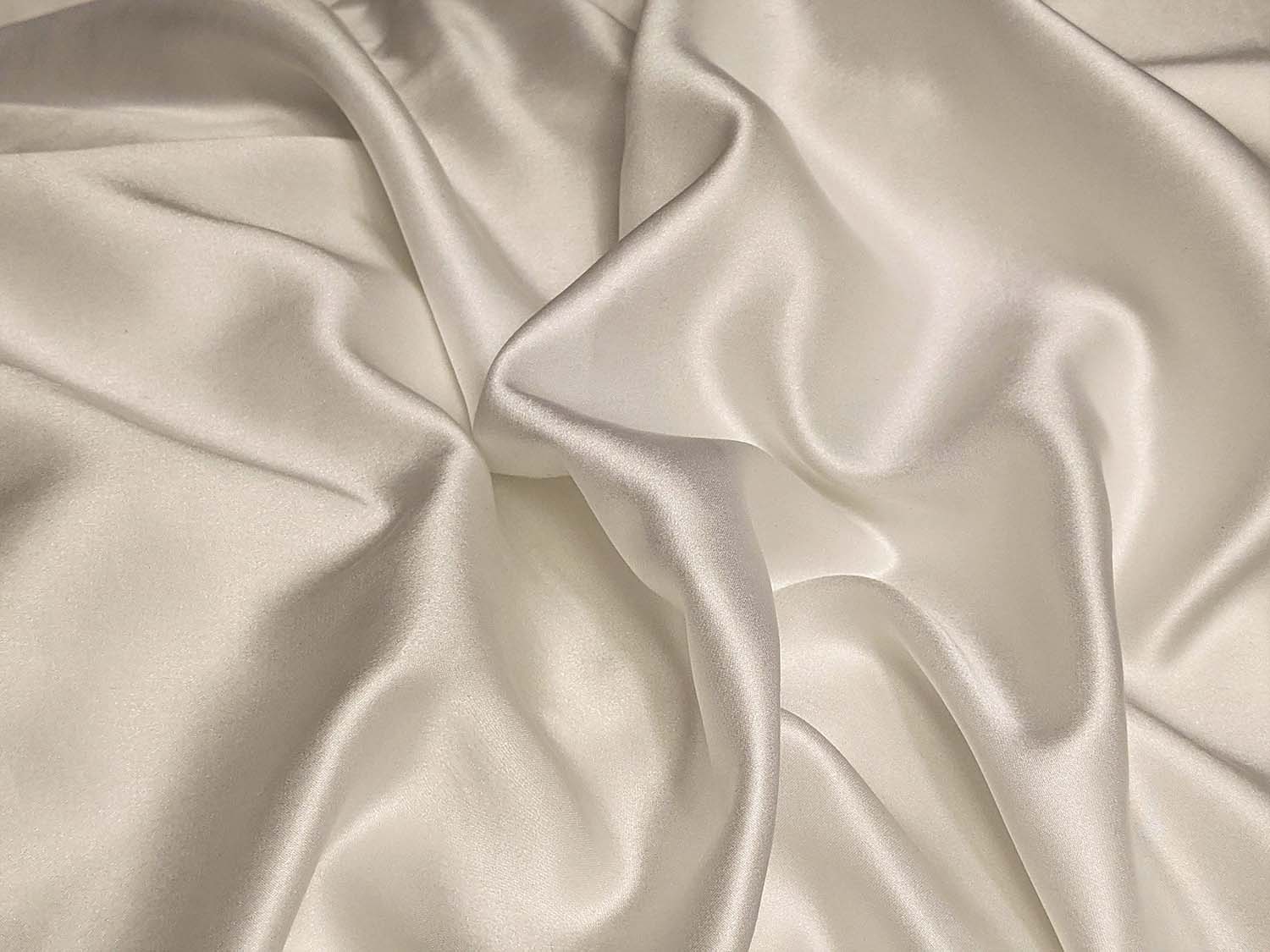
Silk, you know, is a natural fiber. It comes from silkworms, actually, when they spin their cocoons. This process has been happening for thousands of years, and it's quite fascinating. The resulting fiber is incredibly strong for its weight, and it has a beautiful, natural sheen. That's what gives it that signature look, you know.
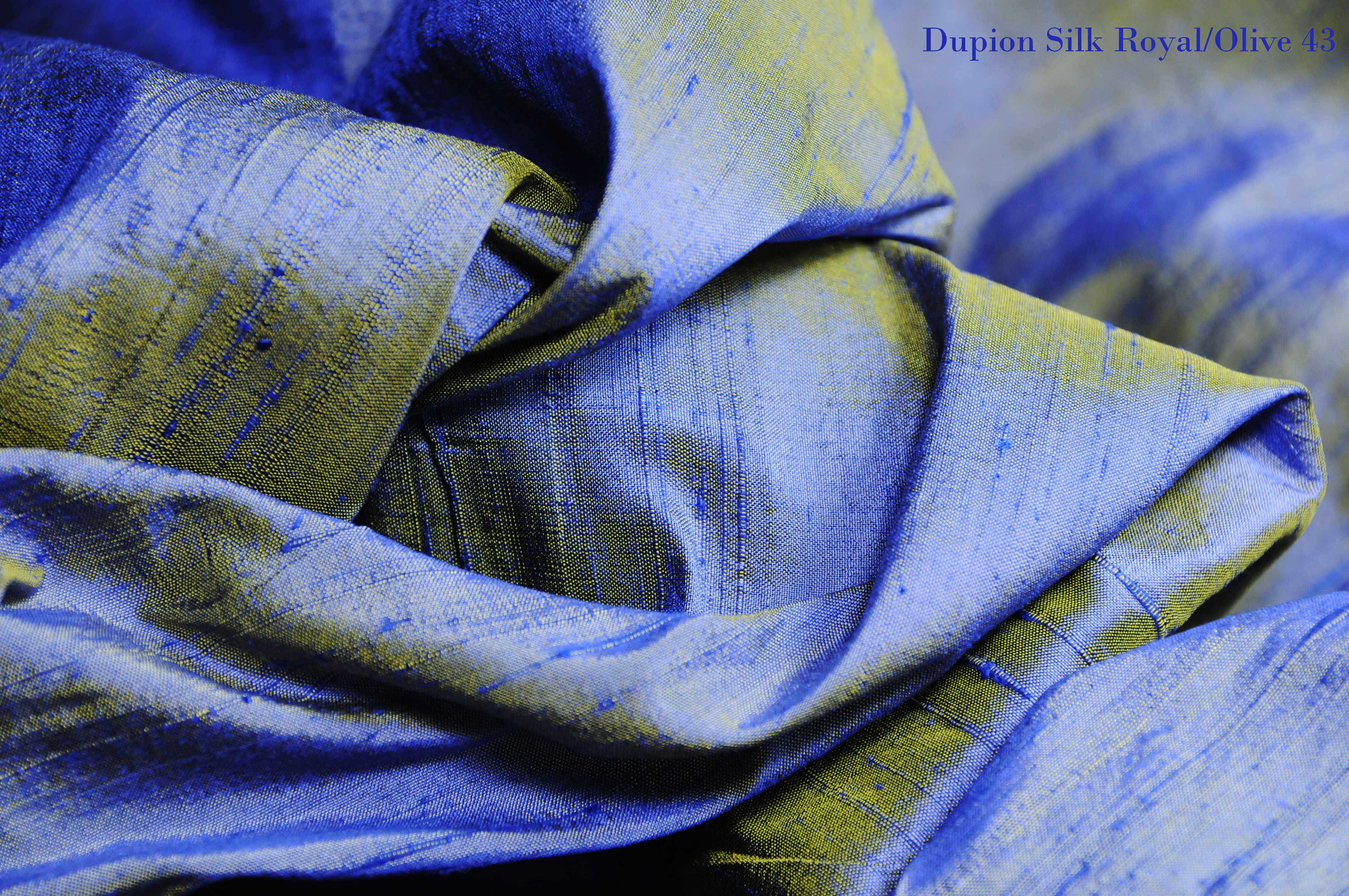
There are different kinds of silk, too. Mulberry silk, for example, is the most common and often considered the best quality. It's made by silkworms that eat only mulberry leaves. This specific diet helps create very long, smooth threads. So, it's a pretty pure and consistent material.
When you hear about silk sheets, they are typically made from mulberry silk. The quality of silk is measured in "momme," which is a weight measurement. Higher momme counts, say 19 or 22 momme, mean the silk is denser and more durable. This is often a good indicator of how long your sheets might last, as a matter of fact.
People often talk about silk for its breathability. It’s a natural protein fiber, which means it helps regulate temperature. This can be a big plus for comfortable sleep, especially if you tend to get warm at night. It's a pretty interesting natural material, all things considered.
What About Satin? It's Different!
Now, let's talk about satin. This is where a lot of the confusion with silk sheets vs satin sheets comes from. Satin isn't a fiber itself, you see. Instead, it's a type of weave. This means that satin can be made from many different materials. It's basically a weaving technique that creates a very smooth, glossy surface on one side and a duller surface on the other. That's how it gets its characteristic feel, in a way.
Most satin sheets you find are made from synthetic fibers. Polyester is a very common material for satin. Sometimes, you might find satin made from nylon or rayon. These synthetic materials are much less expensive to produce than natural silk. So, that's a key difference right there, actually.
The satin weave gives the fabric a lovely drape and a shiny appearance. It feels very smooth against the skin, which is why it's often mistaken for silk. However, because it's usually made from synthetics, its properties are quite different from natural silk. It’s not quite the same, you know.
For instance, polyester satin doesn't breathe in the same way silk does. It can trap heat, which might be a concern for some sleepers. Still, it offers a similar luxurious feel at a fraction of the cost. So, it's a popular choice for many, quite honestly.
The Big Showdown: Silk Sheets vs Satin Sheets
Alright, so we know silk is a natural fiber and satin is a weave. Now, let's really compare them side-by-side. This is where the choice between silk sheets vs satin sheets becomes clearer. We'll look at several important aspects that matter when you're picking out bedding. It’s all about finding what suits you best, naturally.
Feel and Comfort
When you touch silk sheets, you usually notice a very soft, smooth, and almost buttery feel. It has a unique coolness that feels lovely when you first get into bed. It glides over your skin and hair, too. This natural softness is one of silk's biggest draws, for instance.
Satin sheets, on the other hand, also feel very smooth and slick. They have that characteristic shine that makes them look luxurious. However, the smoothness can sometimes feel a bit more slippery than silk. It might also lack that subtle, natural coolness that silk offers, you know. The feel is similar, but not exactly identical, really.
Durability and Care
Silk is a strong natural fiber, as we mentioned. Good quality silk sheets can last for a long time if you care for them properly. They do require a bit of gentle handling, though. You often need to hand wash them or use a delicate cycle with a mild detergent. Air drying is usually best, too. So, they need a little extra attention, sometimes.
Satin, especially polyester satin, is generally more robust and easier to care for. You can usually machine wash and dry satin sheets without too much fuss. They tend to resist wrinkles better than silk, too. However, synthetic satin might show snags more easily over time. It's a trade-off, really, between ease of care and natural resilience.
Price Tag Differences
This is where the distinction between silk sheets vs satin sheets becomes very clear for your wallet. Silk sheets are significantly more expensive than satin sheets. The process of producing silk is labor-intensive and involves a natural resource. This higher cost reflects the luxury and unique properties of the material. It's a premium product, after all.
Satin sheets, particularly those made from polyester, are much more affordable. Since synthetic fibers are mass-produced, the cost of manufacturing is much lower. This makes satin a great option if you want the look and feel of luxury without the hefty price tag. It's a budget-friendly alternative, you know.
Hair and Skin Benefits
Many people choose silk sheets and pillowcases specifically for their supposed benefits for hair and skin. Silk's smooth surface creates less friction than cotton, for example. This can help reduce hair breakage and frizz. It's also less absorbent than cotton, which means it won't soak up your skin's natural oils or expensive night creams. So, your skin stays more hydrated, apparently.
Satin also offers a smooth surface, which can similarly reduce friction on hair and skin. It can help with frizz and prevent sleep creases, too. However, because satin is often made from synthetic materials, it doesn't have the same natural protein composition as silk. It might not offer the exact same hydration benefits. Still, it's a good alternative for hair care, pretty much.
Temperature Regulation
Silk is known for its natural temperature-regulating properties. It's breathable, allowing air to circulate and helping to keep you cool in warmer weather. In colder weather, it can actually help retain warmth, too. It's a natural fiber that adapts to your body temperature. This makes it a great choice for year-round comfort, honestly.
Satin made from synthetic materials like polyester doesn't breathe as well as silk. It can sometimes trap heat, making you feel warmer at night. If you tend to sleep hot, this could be a drawback. However, some newer satin weaves are designed to be more breathable. It really depends on the specific material and weave, you know.
How to Choose Your Perfect Sheets
So, how do you decide between silk sheets vs satin sheets? It really comes down to what you value most. If you're looking for the absolute best in natural luxury, with all the benefits for hair, skin, and temperature control, silk is likely your pick. It’s an investment, but many people feel it's worth it. That's a common sentiment, actually.
If you want the luxurious look and feel of smooth sheets without the high cost or delicate care requirements, satin is an excellent option. It provides a similar aesthetic and can still offer some benefits for your hair. It's a practical and budget-friendly choice, too, you know. Think about your priorities and your budget, first.
Consider your sleeping habits, also. Do you get hot at night? Silk might be better. Are you on a tight budget but still want that smooth feel? Satin could be perfect. It's about finding the right balance for your personal comfort. You might even consider starting with a satin pillowcase to see how you like the feel, perhaps.
Ultimately, the best choice for you is the one that makes you feel most comfortable and happy in your bed. It’s your sleep sanctuary, after all. You want to feel good there. Learn more about bedding options on our site, and link to this page for more sleep tips.
Caring for Your Lovely Sheets
No matter if you choose silk sheets or satin sheets, proper care helps them last longer. For silk, gentle is the key. Use a mild, pH-neutral detergent specifically for silk. Hand washing is ideal, but a delicate cycle on your machine works, too. Always use cold water. Then, air dry them away from direct sunlight. This helps keep the fibers strong, honestly.
For satin, especially polyester satin, care is usually much simpler. You can often machine wash them on a cool or warm cycle with your regular detergent. Tumble dry on a low heat setting, or air dry to prevent static. Always check the care label on your specific sheets, though. Those labels are very helpful, you know.
Avoid using harsh chemicals like bleach on either type of sheet. Fabric softeners are also generally not needed and can sometimes harm the fibers over time. A little gentle handling goes a long way in keeping your sheets feeling soft and looking good. It’s a simple step that makes a big difference, really.
Regular washing is important for hygiene, of course. Even with luxurious sheets, cleanliness is key for a truly comfortable sleep. So, make sure you keep up with your laundry routine. That's just good practice, naturally.
Frequently Asked Questions About Sheets
Is satin as good as silk for hair?
Satin can be very good for hair, reducing friction and helping with frizz. It provides a smooth surface, similar to silk, which means less tugging on your strands. However, silk's natural proteins might offer slightly more benefits for hair health over time. So, it's pretty close, but silk has a slight edge, perhaps.
Do silk sheets keep you cool?
Yes, silk sheets are known for their excellent temperature-regulating properties. They are naturally breathable, allowing air to flow and helping to wick away moisture. This helps keep you cool and comfortable during warmer nights. It's a natural fiber that adapts, you know.
What is the difference between silk and satin?
The main difference is that silk is a natural fiber, typically from silkworms. Satin, on the other hand, is a type of weave that can be made from various materials, often synthetic ones like polyester. So, silk is a material, and satin is a way of weaving fabric. That's the core distinction, really.
Final Thoughts on Your Sleep Sanctuary
Choosing between silk sheets vs satin sheets doesn't have to be a tough decision. Both offer a touch of luxury and can certainly upgrade your sleeping experience. It's about weighing the natural benefits and higher cost of silk against the affordability and easy care of satin. Your perfect bedding is out there, waiting for you to discover it. It's a personal choice, after all, very much so.
Think about what matters most to you: the authentic feel and natural properties of silk, or the beautiful look and practical nature of satin. Either way, you're making a choice for more comfort in your bedroom. And that, you know, is a pretty wonderful thing. You can find more information about different fabrics and their properties on sites like Textile World, for instance.
What is Silk? History, How It's Made and Uses
Luxury 100% Silk Dupion Fabric - Fabric Blog

China New 19mm Silk Satin Fabric, Silk Charmeuse Fabric, Silk Fabric
